Where the tooling was the problem.
Ceramic additive manufacturing earns its cost where the geometry is hard, the volume is low, or the lead time on a mould would kill the schedule. These are the six jobs we see most.
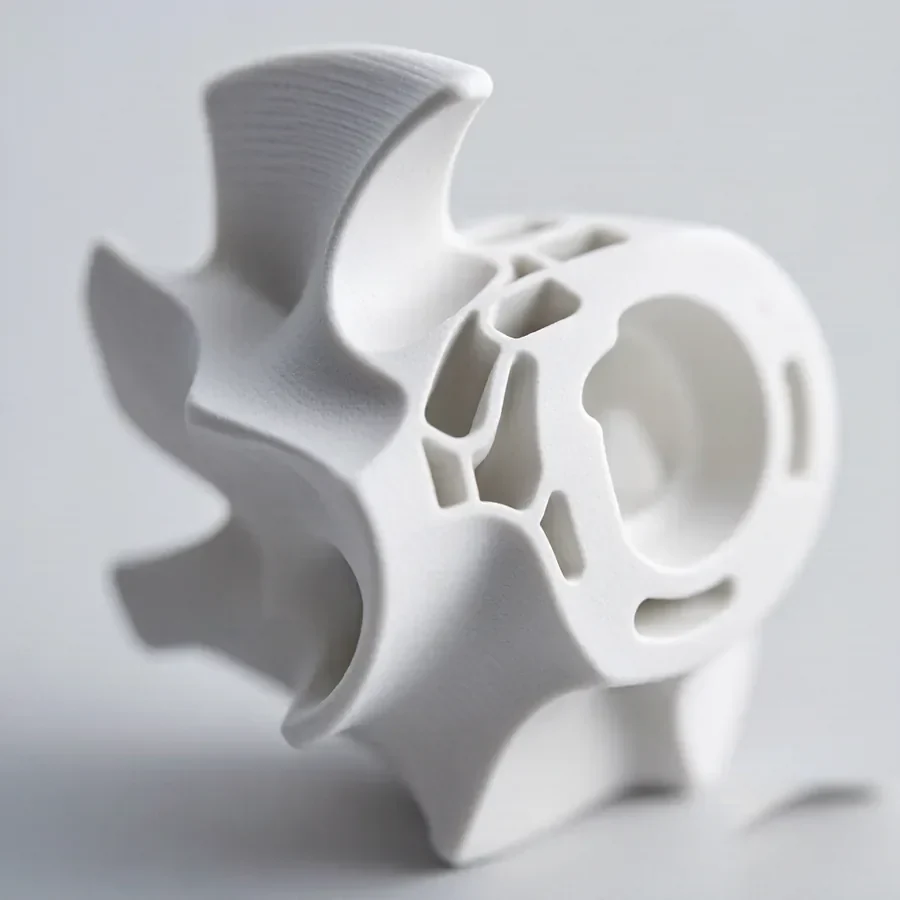
Investment casting cores
A turbine blade runs hotter than the metal around it can survive, so the core has to carry the cooling passage. We print that passage as one body instead of assembling it from segments, then the core is leached out once the metal has set. Conformal channels and wall sections you could not reach with a tool come out in a single piece.
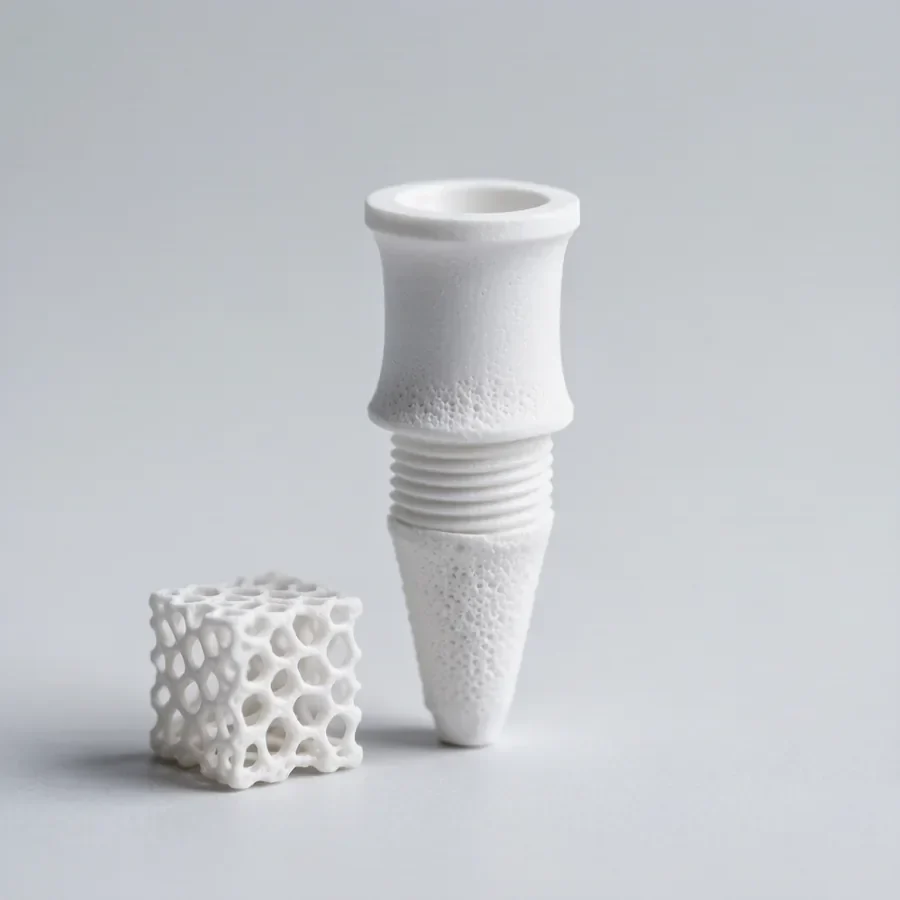
Medical and dental
Abutments and bone scaffolds built directly from patient imaging, so the implant matches the defect instead of the defect being cut to fit. Pore size and strut thickness are print parameters, which means scaffold stiffness can be tuned toward the bone it replaces rather than overshooting it.
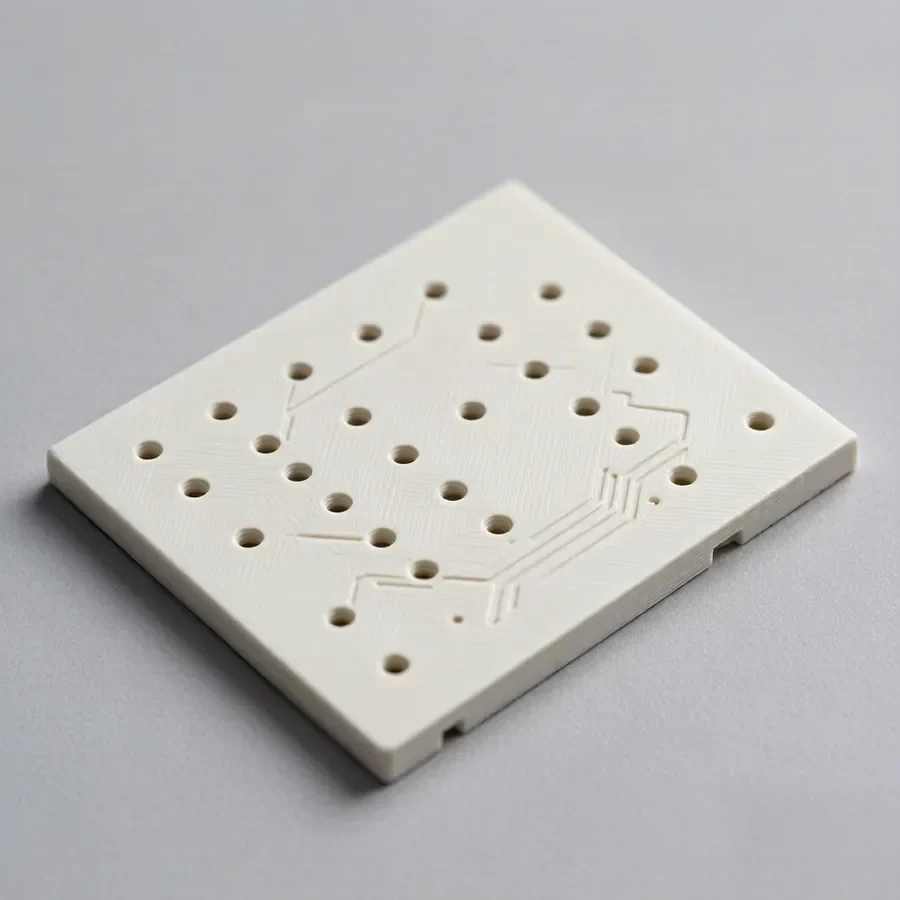
Electronics and thermal
Alumina and zirconia for electrical insulation, aluminium nitride at 170 W/mK when heat has to leave the part. Vias, standoffs, cooling channels and mounting features can be printed in place so the part arrives ready for assembly.
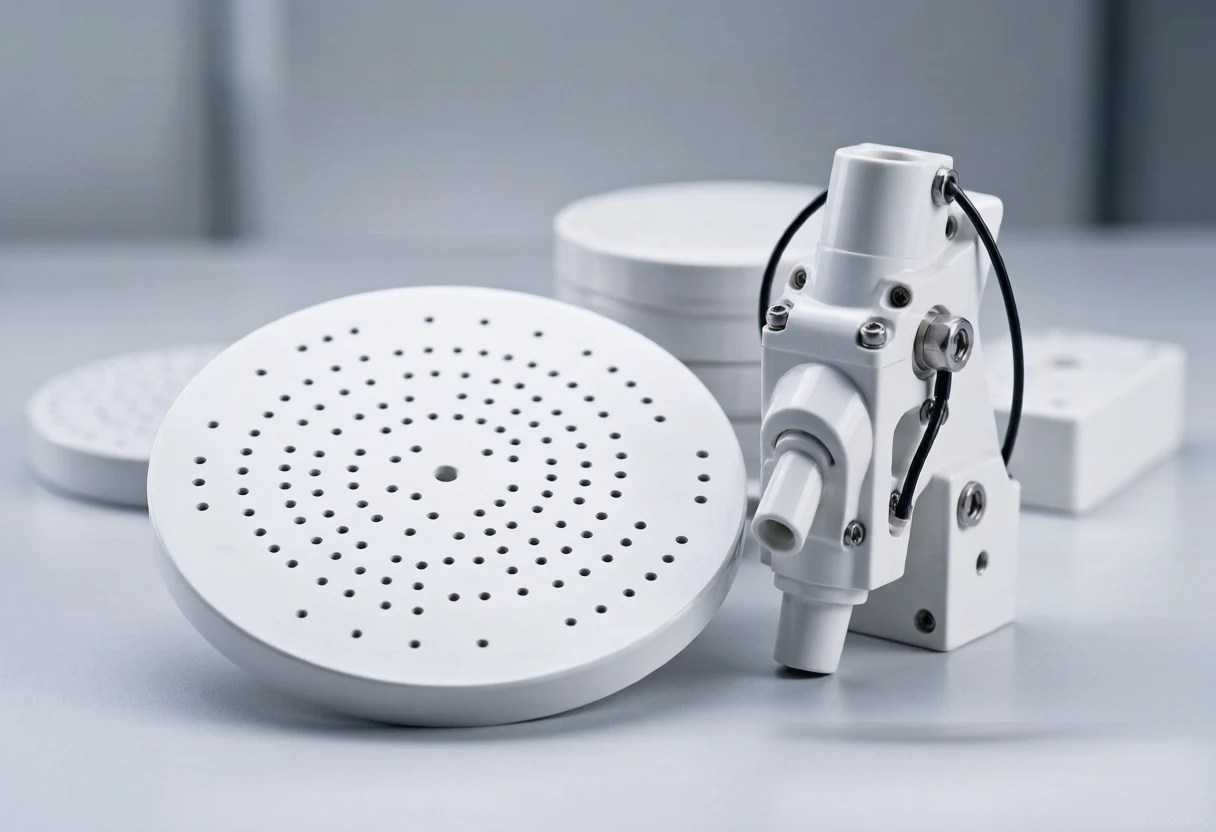
Semiconductor tooling
Wafer chucks, lift pins, focus rings and robot end effectors in high purity alumina and aluminium nitride. Chambers punish anything that sheds particles, so printed parts arrive dense, clean and with custom ports and mounting features printed in rather than machined afterwards.
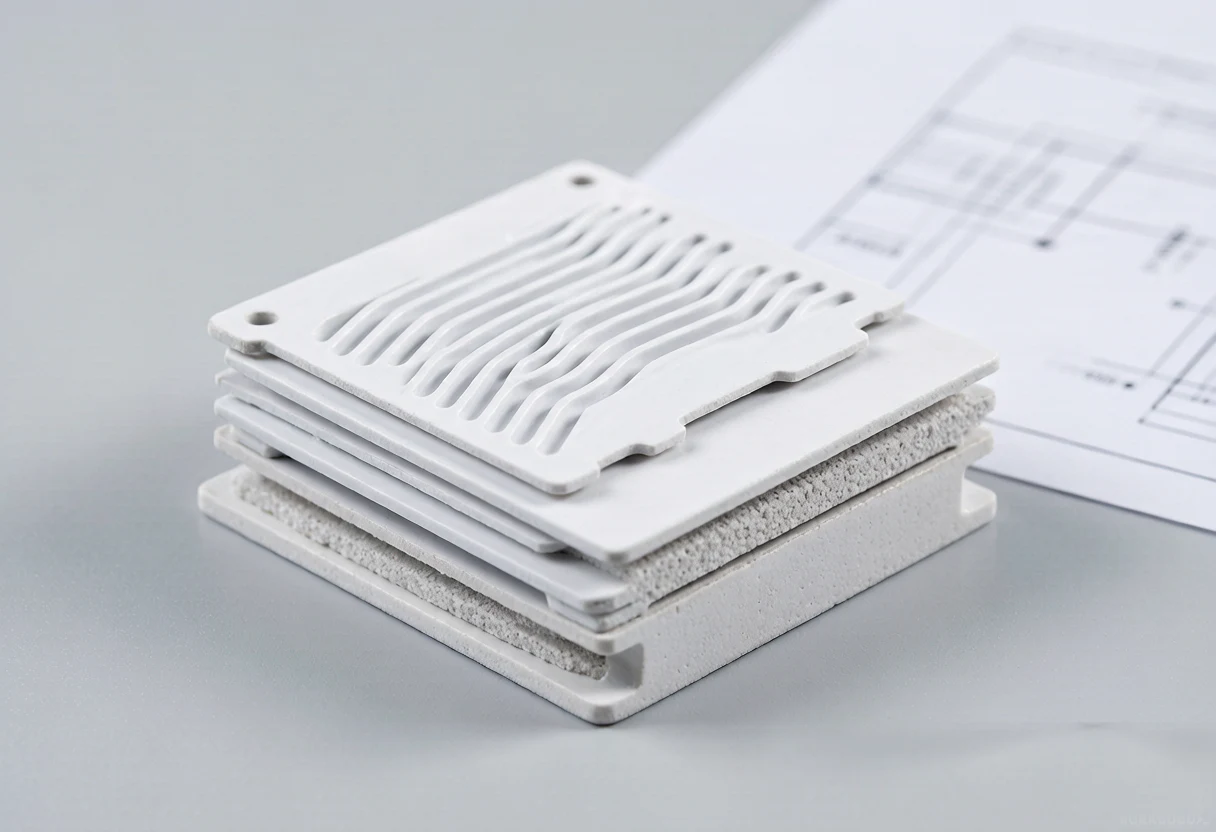
Fuel cell and electrolyser
Electrolyte supports, porous transport layers and manifolds for stacks that live or die on the channel network. Flow fields and gas distribution are printed into the part, so a design iteration is a file change instead of a new die — and thin, gas tight sheets come off the plate flat.
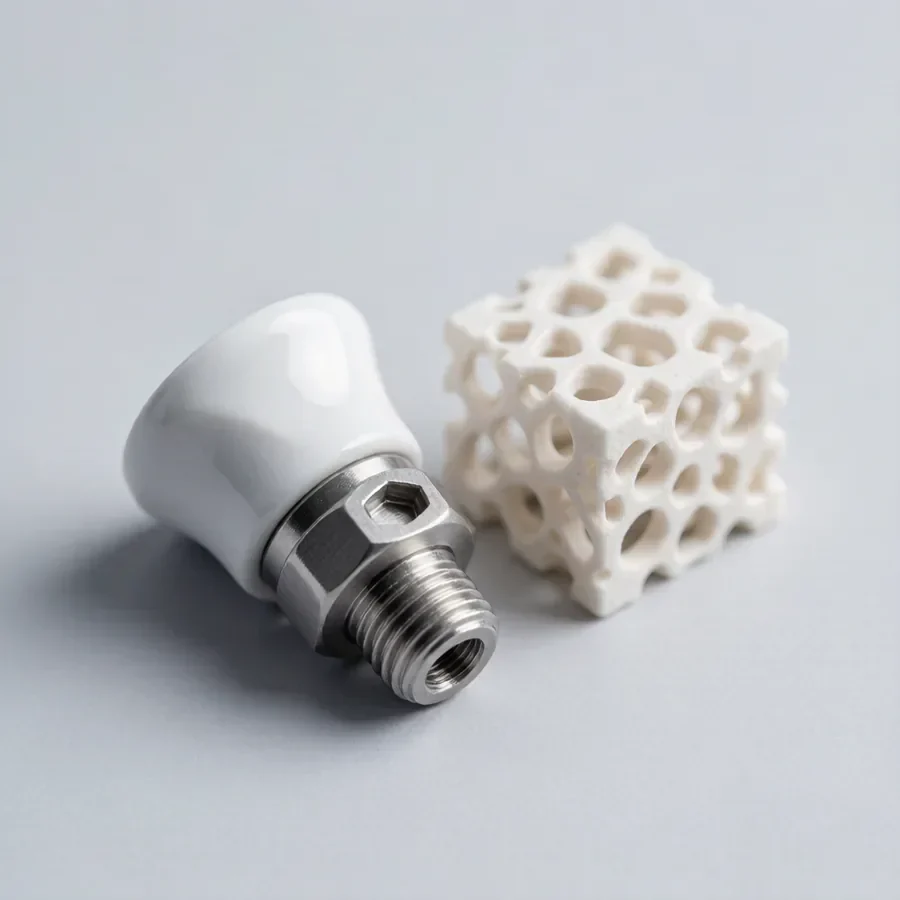
Filtration and flow
Molten metal filtration, gas diffusion and catalyst supports all depend on channel geometry. Extrusion gives you a straight hole. Printing gives you a graded lattice, a varying cell size, and channel walls down to 100 µm, designed rather than inherited from the die.
Six sectors we print for.
These account for most of what comes off our machines. If yours is not here, the constraint is usually the same four things.
Aerospace
Casting cores, thermal protection and high temperature fixtures where weight and heat dominate the design.
Medical
Patient matched zirconia and porous scaffolds, plus surgical guides and instrument handles that survive repeated sterilisation.
Electronics
AlN substrates and insulators, alumina carriers and sensor housings for high voltage and high temperature assemblies.
Energy
Electrolyte supports, porous transport layers and manifolds where the channel network is the performance.
Industrial
Nozzles, seals, pump components and cutting guides in alumina, where a machined part wears out in months.
Semiconductor
Wafer handling, chamber components and fixtures for equipment that cannot tolerate particles, drift or static.
Parts we have printed.
A selection of printed and sintered ceramic components across grades and applications. Reference photography; production imagery is refreshed per program.
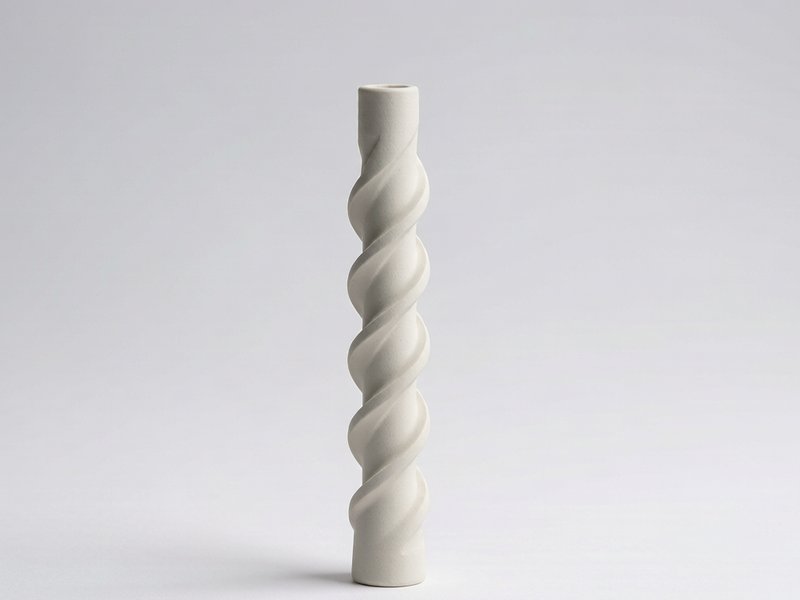
Silica core for a turbine blade, leached clean after the metal has set.
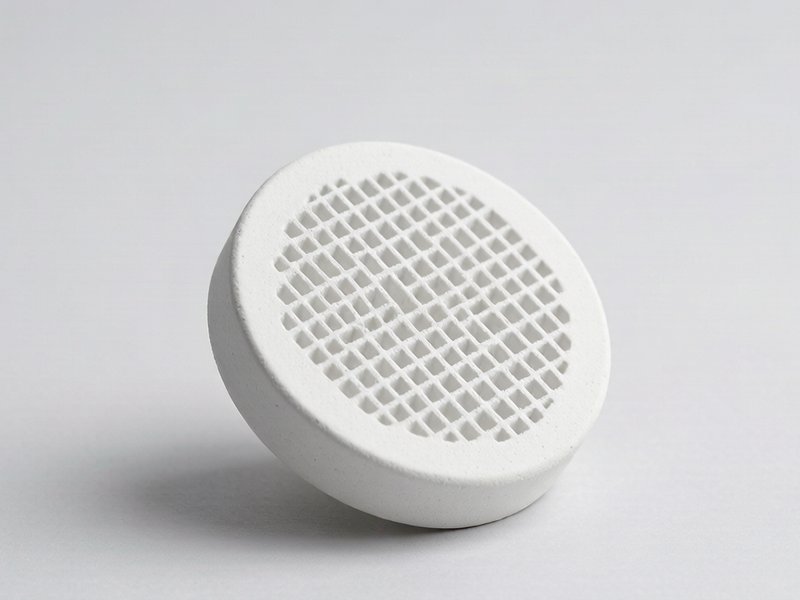
Honeycomb structure with channel walls down to 100 µm, uniform across the section.
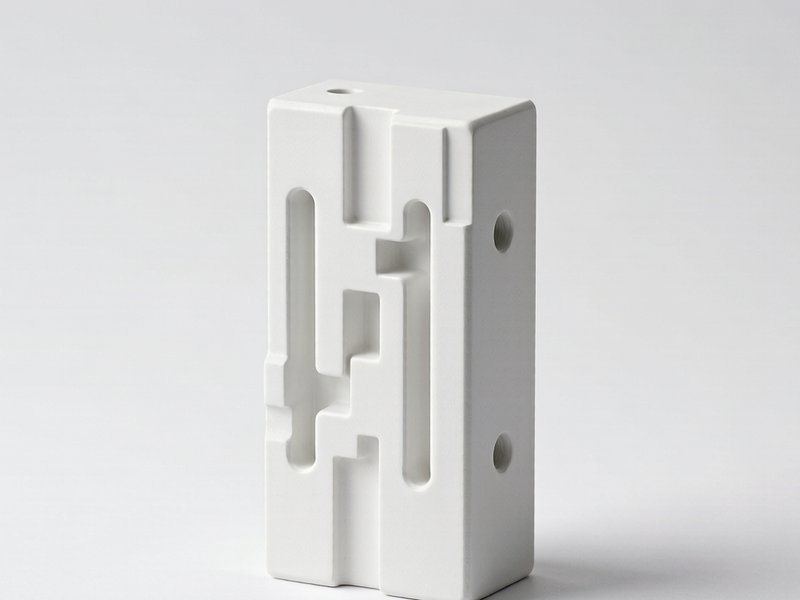
High temperature fixture in CoreCera 999, holding shape past 1600 °C.
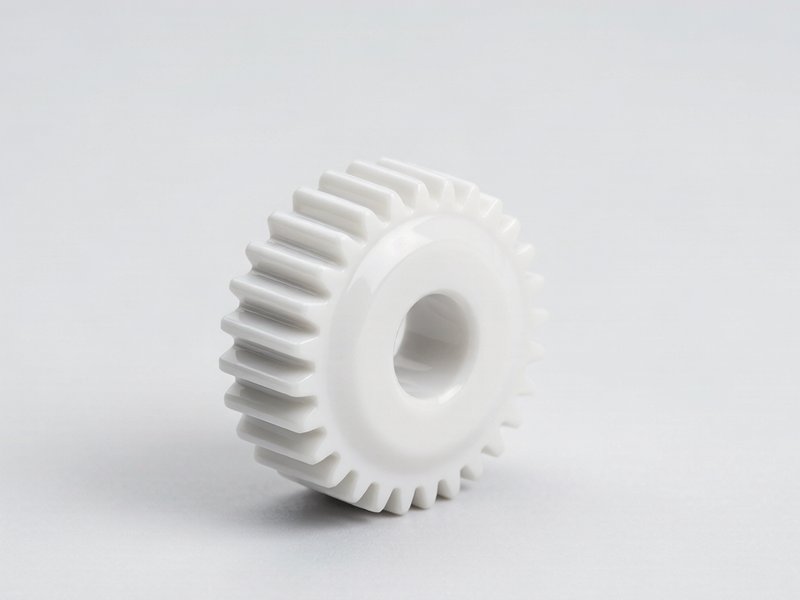
Biocompatible zirconia, printed to tolerance for medical and dental use.
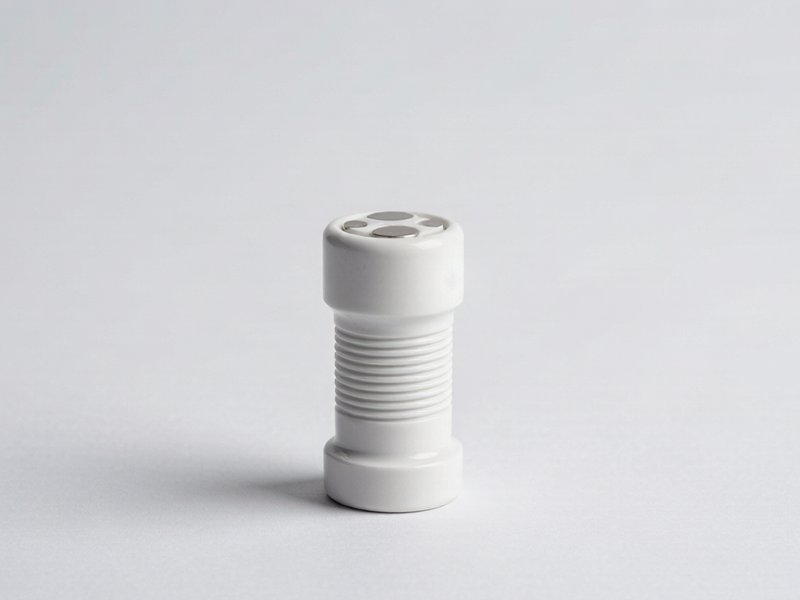
Aluminium nitride substrate moving heat away from the die while staying an insulator.
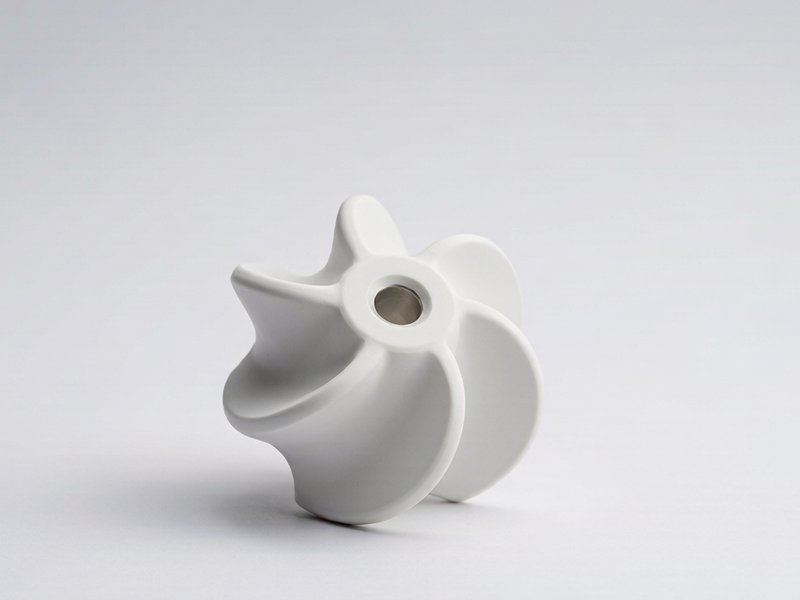
Alumina component printed as one piece, no assembly, no joining step.
Bring us the hard one.
If a supplier has already told you the geometry cannot be made, that is usually the part we are most useful on. Send it and we will say plainly whether it prints.
Quoted within two business days.